


Monocalcium and Monosodium Phosphate Prices: A Buyer's Guide to Mono Phosphates in Industry
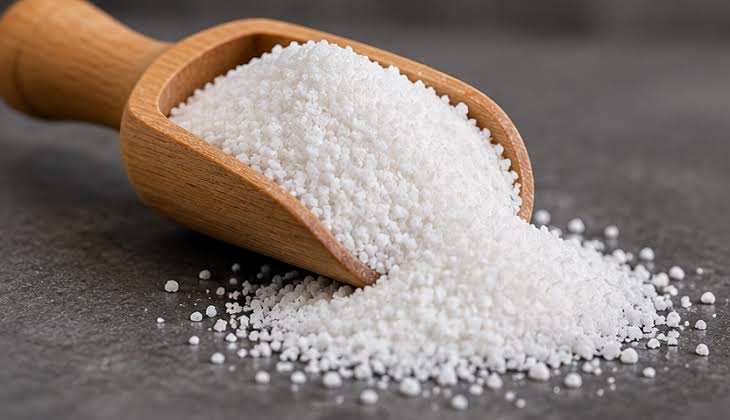
Monocalcium phosphate and monosodium phosphate are two important mono phosphates used across agriculture, food processing and industry. Monocalcium phosphate is a key ingredient in animal feed and baking powder, while monosodium phosphate is widely used in food, water treatment and pharmaceuticals. For buyers, both products share some market drivers, as they are made from phosphoric acid, but they also have their own specific demand patterns. Prices can change quickly, and grades vary in quality and purpose. This buyer's guide explains what affects the cost of these mono phosphates and how to purchase them efficiently while maintaining quality and regulatory compliance. Both products are widely traded, and many suppliers offer several grades of each. Understanding how these grades differ helps buyers select the right product, avoid unnecessary costs and maintain the quality standards their customers expect from finished goods.
What Monocalcium Phosphate Is Used For
Monocalcium phosphate, with the formula Ca(H2PO4)2, is made by reacting phosphoric acid with a calcium source such as limestone or lime. Feed grade monocalcium phosphate is one of the most important mineral supplements for livestock and poultry, supplying highly digestible phosphorus and calcium needed for bone development, growth and egg production. It typically contains around 22 percent phosphorus. Food grade monocalcium phosphate is a common leavening acid in baking powder and self rising flour, reacting with sodium bicarbonate to release carbon dioxide and make baked goods rise. It is also used in some fertilizers and as a nutrient fortifier in foods. Feed mills value it for its consistent nutrient content.
What Monosodium Phosphate Is Used For
Monosodium phosphate, NaH2PO4, is produced by partially neutralizing phosphoric acid with sodium hydroxide or soda ash. It serves as an acidity regulator, emulsifier and leavening agent in foods, and it is often combined with disodium phosphate to make buffer solutions in pharmaceuticals and laboratories. In water treatment, it helps adjust pH and reduce scale and corrosion. Industrial uses include metal treatment, detergents and textile processing. Monosodium phosphate is available in anhydrous and hydrated forms, and buyers should consider active content when comparing prices. Food and pharmaceutical grades carry stricter purity requirements than technical grades used in industry. Many baking powder blends combine it with slower acting phosphates for a balanced rise.
Factors That Drive Prices
Both products depend heavily on phosphoric acid prices, which are tied to phosphate rock, sulfur and global fertilizer demand. For monocalcium phosphate, limestone costs are minor, but demand from the animal feed industry, especially in poultry and pig production, has a strong influence. Disease outbreaks or changes in livestock numbers can shift demand quickly. Monosodium phosphate prices are also affected by caustic soda and soda ash costs. Food and pharmaceutical grades require additional purification and testing, raising prices. Export policies in major producing countries, freight rates, currency exchange and packaging all contribute to the final delivered price for buyers.
Quality Checks Before Buying
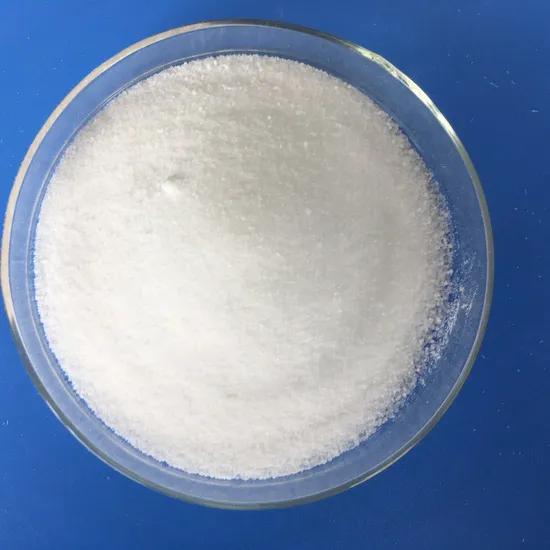
Before buying, request technical data sheets and certificates of analysis. For feed grade monocalcium phosphate, check phosphorus and calcium content, fluorine levels, heavy metals such as lead, cadmium and arsenic, and moisture. Low fluorine is essential for animal safety. For food grade monocalcium phosphate, check reaction rate in baking applications as well as purity. For monosodium phosphate, check assay, pH, insoluble matter and heavy metals. Confirm that food and feed grades meet the regulations of your market and come with appropriate certificates. Testing samples in your own process provides confidence that the product will perform as expected.
Smart Purchasing Strategies
Plan purchases around production schedules and monitor phosphate market trends to avoid buying at price peaks. Supply agreements can stabilize costs and secure availability, especially for feed producers who use large volumes of monocalcium phosphate. Compare offers on active nutrient content rather than price per ton alone. Combine orders to reach full container loads, and confirm packaging and storage requirements, as both products should be kept dry. Choose suppliers who provide consistent quality, complete documentation and technical support. Working with an experienced supplier of مونو کلسیم فسفات and related phosphates helps buyers secure reliable supply at fair and predictable prices.
 Italiano
 English
 Arabic
 French
 Spanish
 Portuguese
 Deutsch
 Turkish
 Dutch
 Russian
 Romaian
 Portuguese (Brazil)
 Greek