


A Homeowner’s Guide to Every Stage of a New Roof Installation
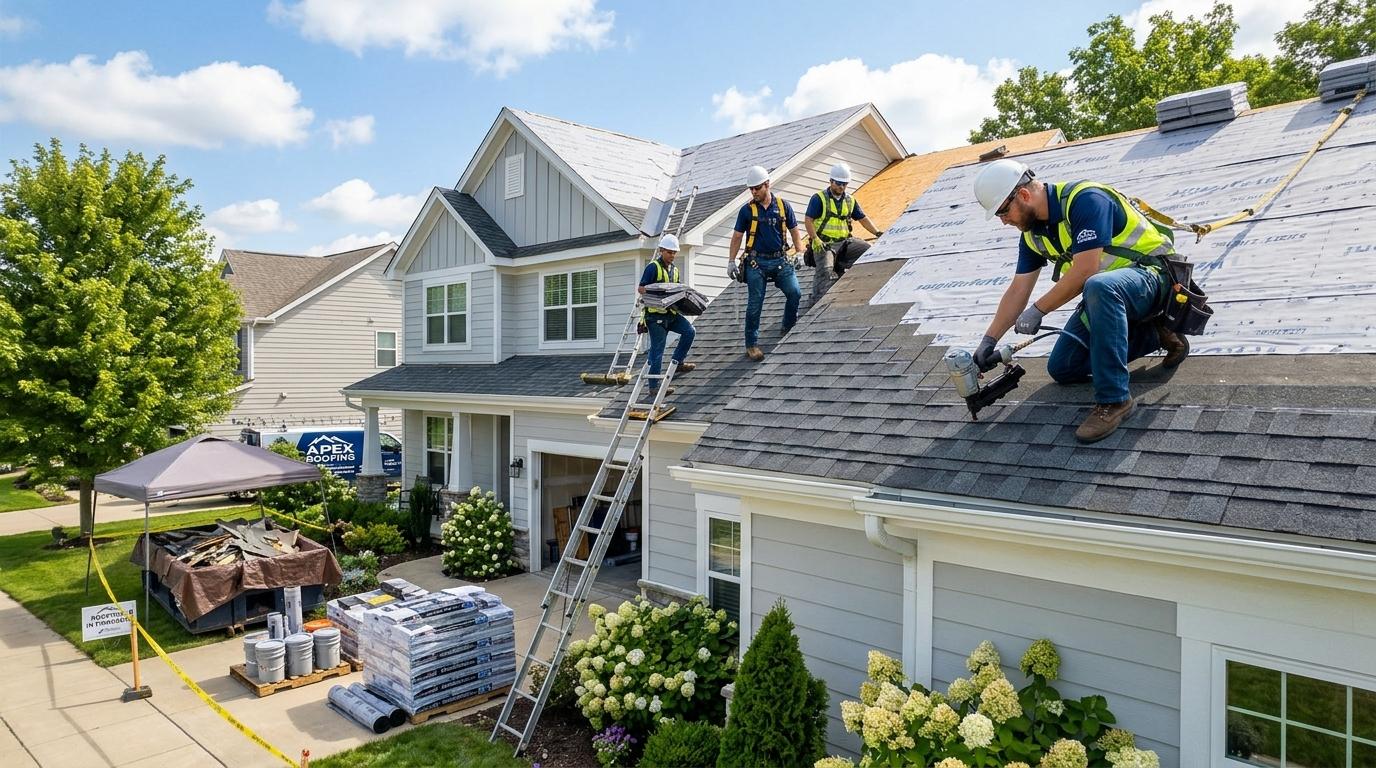
Replacing an old roof is a significant home improvement project that requires careful planning, professional installation, and proper preparation. Whether your existing roof has developed persistent leaks or reached the end of its useful lifespan, understanding the process can help you feel more confident and avoid unnecessary surprises.
A typical Roof Replacement involves several stages, including inspection, material selection, property preparation, removal of old materials, installation of the new roofing system, and final cleanup. Although many residential projects can be completed within one to three days of active installation, the overall timeline depends on roof size, weather conditions, material availability, and unexpected repairs.
1. Initial Roof Inspection and Project Assessment
The first step is a professional inspection to determine the condition of your existing roof. A roofing contractor examines shingles or other roofing materials, flashing, drainage systems, ventilation, and visible signs of water damage.
The contractor may also inspect the attic to identify moisture, damaged insulation, or problems with the underlying roof structure. These findings help determine the scope of work and the materials required for the project.
After the inspection, you should receive a written estimate explaining labor costs, material expenses, removal procedures, and any additional services. Before approving the project, ask about potential charges for replacing damaged roof decking that cannot be inspected until the existing materials are removed.
Understanding the process beforehand can make planning easier. This guide to Roof Replacement and what homeowners should expect provides additional information about the stages involved in upgrading your home's roofing system.
2. Selecting Materials and Scheduling the Work
Once the inspection is complete, the next step is choosing suitable roofing materials. Asphalt shingles remain a popular choice because they are relatively affordable and available in different colors and styles. Metal roofing offers durability, while clay and concrete tiles can provide a distinctive appearance when supported by a suitable structure.
Your decision should consider your budget, local climate, architectural style, maintenance requirements, and expected lifespan. A qualified contractor can explain which options are appropriate for your property.
During this stage, confirm the installation date, material delivery arrangements, required permits, and estimated project duration. Weather forecasts should also be considered because rain, strong winds, and other unfavorable conditions can delay roofing work.
3. Preparing Your Property Before Installation
Roofing work can create considerable noise, vibration, and falling debris. Preparing your property in advance helps protect your belongings and makes the installation process more manageable.
Move vehicles away from the driveway and keep children and pets away from the work area. Remove fragile decorations from walls and consider covering stored belongings in the attic to protect them from dust.
Outdoor furniture, potted plants, and valuable items near the house should be moved when possible. Contractors typically use protective coverings around landscaping and other vulnerable areas.
It is also helpful to discuss access arrangements with your contractor and confirm how debris will be collected. Inform household members about the expected schedule so they can plan around the noise.
4. Removing the Existing Roofing Materials
On installation day, the crew generally begins by establishing safety measures and protecting the surrounding property. Workers then remove the old shingles, tiles, underlayment, or other materials according to the agreed project scope.
Removing the existing roofing allows contractors to examine the underlying deck and identify hidden problems. Depending on the roof's condition and the selected installation method, the removal process may vary.
This stage can be noisy, and debris may temporarily accumulate in designated collection areas. Professional crews should manage waste carefully and maintain a safe working environment throughout the process.
The removal stage is especially important because installing new materials over a damaged or unsuitable surface can compromise the performance of the finished roof.
5. Inspecting and Repairing the Roof Deck
After the old materials have been removed, the contractor inspects the exposed roof deck for rot, soft spots, moisture damage, and deteriorated wood. Any necessary repairs should be completed before the new roofing system is installed.
Although these problems may not be visible during the initial inspection, addressing them is essential for creating a stable foundation. Ask your contractor to document significant damage and explain any additional costs before proceeding with extra work.
Once the deck is sound, the crew can prepare the surface for the next installation stages. This includes installing appropriate underlayment and waterproofing materials according to the roofing system's requirements and local building codes.
6. Installing the New Roofing System
With the underlying structure prepared, contractors begin installing the new roofing components. Depending on the system, this may include drip edges, underlayment, flashing, shingles or other roof coverings, and ventilation components.
Proper flashing around chimneys, skylights, vents, valleys, and wall connections is particularly important because these areas can be vulnerable to water penetration.
The crew should follow the manufacturer's installation instructions and applicable building requirements. Correct fastening, material alignment, and waterproofing details all contribute to the roof's long-term performance.
A professional Roof Replacement involves more than improving the property's appearance. It also provides an opportunity to address existing weaknesses and establish a more reliable protective barrier against the weather.
7. Final Inspection, Cleanup, and Documentation
Once installation is complete, the contractor should inspect the finished work and verify that the agreed scope has been fulfilled. The inspection may cover roofing alignment, flashing, ventilation, drainage, and other important components.
The crew should remove leftover materials, clear debris, and use appropriate methods, such as magnetic sweeps, to collect stray nails around the property. Gutters, walkways, and accessible outdoor areas should also be checked for construction waste.
Before considering the project complete, review the workmanship with your contractor and ask for photographs of important installation details if available. Obtain copies of relevant permits, inspection records, invoices, product warranties, and workmanship guarantees.
A reliable contractor should also explain recommended maintenance practices and provide contact information for future questions.
Knowing what happens at every stage of a Roof Replacement project helps homeowners prepare for installation day, understand potential delays, and evaluate the quality of the completed work. Keeping communication open with your contractor throughout the project can make the experience more organized and help ensure your new roof is installed according to the agreed specifications.

 Arabic
 French
 Spanish
 Portuguese
 Deutsch
 Turkish
 Dutch
 Italiano
 Russian
 Romaian
 Portuguese (Brazil)
 Greek