


Disodium Phosphate and Disodium Hydrogen Phosphate: Uses, Grades and Current Price Factors
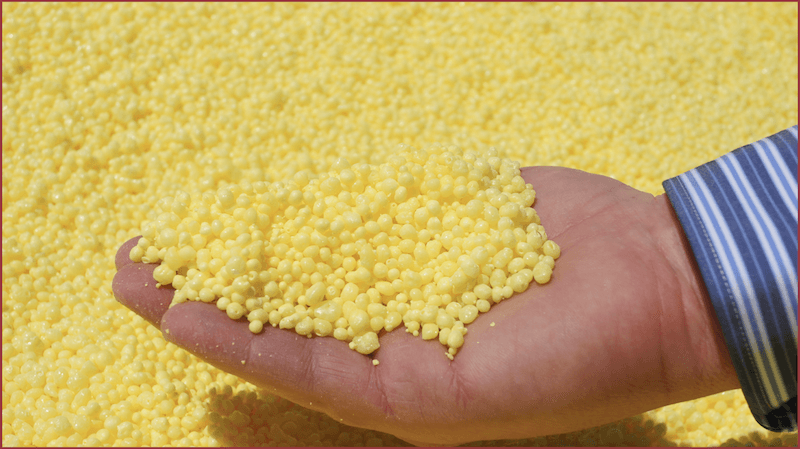
Disodium phosphate and disodium hydrogen phosphate are two names for the same chemical compound, and the different terms often confuse buyers. Whichever name is used, this sodium phosphate salt is an important ingredient in food processing, water treatment, pharmaceuticals, detergents and laboratory work. It works as a buffering agent, an emulsifier and a source of phosphate, helping control acidity and improve texture in many products. Because it is used in both food and industrial settings, it is available in several grades with different purity requirements. This article explains what disodium phosphate is, where it is used and which factors affect its price today. Understanding the differences between grades and forms helps buyers avoid overspending. It also ensures that the product chosen meets the safety and performance standards required for each specific application.
What Disodium Phosphate Is
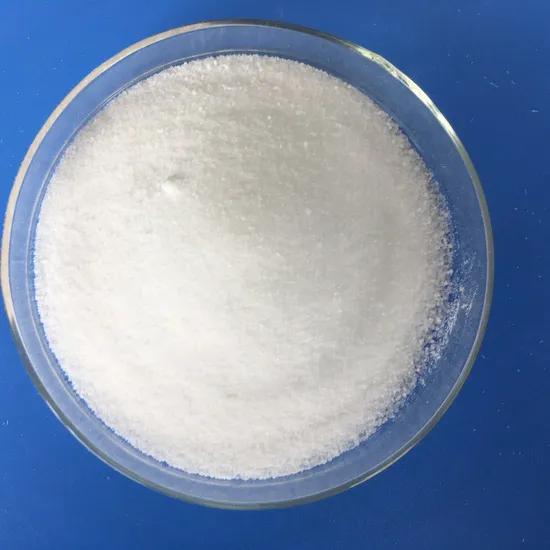
Disodium phosphate has the formula Na2HPO4. It is produced by partially neutralizing phosphoric acid with sodium hydroxide or sodium carbonate. The compound exists in several forms depending on how much water is attached, including anhydrous, dihydrate, heptahydrate and dodecahydrate. The anhydrous form is a white powder with the highest concentration of active material, while hydrated forms are crystalline and contain significant amounts of water. In solution, disodium phosphate is mildly alkaline, with a pH of around 9. It works well as a buffer, especially when combined with monosodium phosphate, allowing precise control of pH in food, pharmaceutical and laboratory applications.
Uses in Food Processing
In food, دی سدیم فسفات is known as E339 and plays several useful roles. In processed cheese, it acts as an emulsifying salt, helping proteins and fats blend smoothly so the cheese melts evenly without separating. It is used in evaporated milk to prevent gelling and in instant puddings to help them set quickly. Meat and seafood processors use it to retain moisture and improve texture. It also acts as a pH regulator in beverages, cereals and baked goods. Food grade material must meet strict limits for heavy metals and fluoride, and it is used in small amounts within the limits set by food safety regulators.
Industrial and Pharmaceutical Applications
Beyond food, disodium phosphate is widely used in water treatment, where it helps control scale and corrosion in boilers and cooling systems by reacting with calcium and magnesium. It is used in detergents and cleaning products as a builder and buffering agent. In textiles, it supports dyeing and fireproofing processes. The pharmaceutical industry uses it as a buffering agent in injections, eye drops and oral medicines, as well as in some laxative products. Laboratories rely on it to prepare phosphate buffer solutions for biological and chemical research. Ceramics, metal finishing and enamel production also use it in smaller quantities. It is valued in these sectors for its stable and predictable performance.
Understanding Grades and Forms
Disodium phosphate is available in technical, food and pharmaceutical grades. Technical grade is suitable for water treatment, detergents and industrial processes. Food grade complies with standards such as the Food Chemicals Codex or European food additive rules. Pharmaceutical grade meets pharmacopeia requirements and often comes with additional documentation. Buyers must also choose between anhydrous and hydrated forms. Anhydrous powder is more concentrated and stable during storage, while the dodecahydrate contains more than half its weight in water. Comparing prices on an active content basis ensures a fair comparison, since a cheaper hydrated product may actually cost more per unit of phosphate. Hydrated forms may also require extra storage space.
Current Price Factors
Several factors shape disodium phosphate prices. The cost of phosphoric acid, linked to phosphate rock and sulfur markets, is the most important. Caustic soda and soda ash prices also matter, along with energy used for drying and crystallization. Food and pharmaceutical grades cost more due to purification, testing and certification requirements. Supply from major producing countries, especially China, can be affected by environmental policies and export conditions. Freight rates, currency exchange, packaging and order size influence delivered prices. Buyers can manage costs by planning purchases, comparing offers on active content and choosing reliable suppliers who provide consistent quality and documentation.

 Arabic
 French
 Spanish
 Portuguese
 Deutsch
 Turkish
 Dutch
 Italiano
 Russian
 Romaian
 Portuguese (Brazil)
 Greek