


Custom Office Chair for Education: How MSDA Designs Seating for Universities
University furniture faces a paradox that few other sectors impose. It must survive students who treat chairs carelessly, faculty who occupy them for decades, and administrators who answer to budgets scrutinized by committees. A single campus might contain lecture halls, faculty offices, libraries, laboratories, and administrative suites, each with different seating needs and different expectations. MSDA works with universities on seating that satisfies all of these audiences at once, designing chairs that hold up under institutional use while remaining comfortable enough for the long hours academics actually spend sitting. This guide explains how the company approaches the distinctive demands of higher education environments.
The Many Seating Zones of a Campus
Universities rarely need one type of custom office chair; they need a coordinated range across wildly different spaces. Faculty offices demand ergonomic task seating used daily for years. Libraries need quiet chairs that do not squeak when someone shifts position. Seminar rooms require seating that facilitates discussion without trapping occupants in rows. Administrative offices, reception areas, laboratories, and lounges each bring their own requirements. MSDA helps universities map these zones and specify appropriate seating for each, sometimes within a single unified design language that lets a campus feel coherent without forcing one model into every setting. This zoning approach prevents both overbuying for simple spaces and underbuying for demanding ones.
Ergonomics for Faculty and Researchers
Academic work involves long stretches at desks and laboratory benches, and faculty often keep the same chair through entire careers. MSDA's ergonomic models offer adjustable lumbar support, seat depth, and armrest positioning to accommodate the wide range of bodies in a university, where a tall physicist and a petite humanities professor may share identical office furniture specifications. Comfort over extended writing sessions matters enormously for researchers under deadline pressure. The company advises universities to prioritize adjustability in faculty seating, since a single model with generous adjustment ranges serves far more people than one fixed design that fits only the average user. Chairs that support concentration pay dividends in academic productivity.
Durability for Student-Facing Spaces
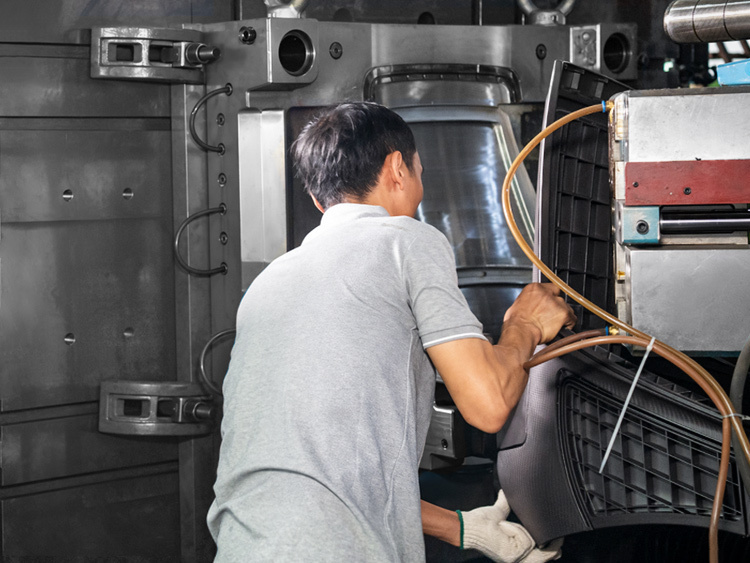
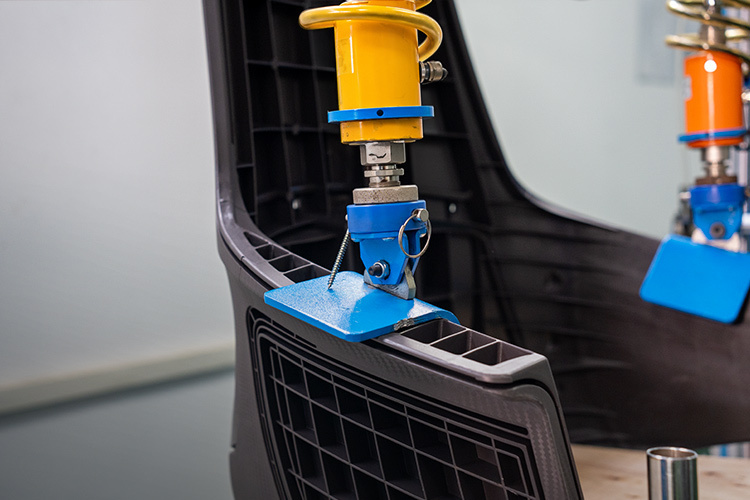
Students treat furniture with an enthusiasm that borders on destructive, and student-facing spaces need seating built accordingly. Chairs in libraries and study areas see constant use, get dragged across floors, and occasionally bear weight their designers never anticipated. MSDA specifies heavy-duty mechanisms, abrasion-resistant upholstery, and frames tested beyond ordinary office standards for these spaces. Fabrics are selected for stain resistance, since study rooms see coffee and snacks despite signage. Replacement parts remain available so that individual chairs can be repaired rather than replaced when something breaks. Universities appreciate this durability because furniture budgets are cyclical and mid-year replacements create unexpected strain.
Flexible Seating for Active Learning Classrooms
The traditional lecture hall with fixed rows has been quietly displaced in many institutions by active learning classrooms that reconfigure throughout the day. MSDA designs chairs for these environments with mobility in mind, including casters for easy rearrangement and seating that supports group discussion as readily as individual attention. Some models include writing surfaces for note-taking without tables. Stackable options serve rooms that need to shift between event formats. The company works with universities during design phases of new classrooms, advising on seating configurations that support pedagogical goals rather than merely filling available floor space. Learning outcomes improve when the furniture supports how teachers actually want to teach.
Healthcare and Lab Environments on Campus
University campuses include healthcare training facilities, research laboratories, and clinics that impose cleaning and contamination requirements similar to hospital environments. MSDA provides seating for these spaces with non-porous upholstery, sealed seams, and finishes that withstand chemical cleaning. Research labs need chairs that tolerate chemical exposure without degrading. Clinics need seating that can be sanitized between patients. Veterinary facilities, dental schools, and nursing programs all present specialized demands. The company applies lessons from its healthcare seating to these campus contexts, ensuring that universities do not have to source from unfamiliar suppliers for these specialized spaces.
Sustainability and Public Institution Accountability
Public universities often face explicit sustainability mandates from governing boards and state agencies, and procurement decisions get scrutinized against environmental goals. MSDA supports institutions in meeting these requirements through seating that incorporates recycled and bio-based materials where performance allows, designs that can be disassembled for recycling at end of life, and refurbishment options that extend furniture life rather than replacing it wholesale. Documentation supports the university's own sustainability reporting and procurement compliance. For institutions answerable to public accountability, this documentation matters as much as the product itself, since every purchase must withstand scrutiny from auditors and stakeholders alike.
Supporting Procurement Through Institutional Cycles
University procurement involves committees, budget cycles, and approval processes that can make corporate purchasing look streamlined. MSDA understands these rhythms, working with facilities and procurement teams through multi-year planning, providing samples for committee review, and accommodating staggered delivery schedules that match funding availability. The company maintains specifications for campus projects so that reorders match existing furniture years later. When institutions standardize on particular models across departments, this consistency simplifies maintenance and replacement. Universities that develop long-term relationships with their seating supplier find that these cycles become far easier to manage, with fewer surprises and better outcomes for everyone from first-year students to tenured faculty.
 Dutch
 English
 Arabic
 French
 Spanish
 Portuguese
 Deutsch
 Turkish
 Italiano
 Russian
 Romaian
 Portuguese (Brazil)
 Greek