

IML Film vs Pressure-Sensitive Labels: Why HARDVOGUE Recommends In-Mold Labels
Anyone specifying packaging eventually faces the same fork in the road: apply labels after the container is made, or build the label into the container itself. Pressure-sensitive labels have dominated for decades because they are familiar and easy to source, while in-mould labels have steadily won ground in containers that need to look good and last. The comparison is not as one-sided as either camp sometimes claims, but for a growing range of applications the IML route is clearly stronger. This article lays out the comparison honestly and explains why HARDVOGUE recommends in-mould labelling for containers built to endure.
Two Very Different Ways of Attaching a Label
The distinction between these technologies is structural, not cosmetic. A pressure-sensitive label is printed on a liner, peeled off, and stuck to a finished container using an adhesive layer, sitting on the surface as a separate entity. An in-mould label is printed on film and placed inside the mould, where molten plastic flows against it and fuses the label into the container wall. One approach adds something to the container; the other makes the label part of it. That single difference cascades into durability, appearance, recycling, and production economics, which is why the choice deserves more thought than a quick price comparison between suppliers.
Durability Where Pressure-Sensitive Labels Struggle
Pressure-sensitive labels have an inherent vulnerability: the adhesive interface and the exposed edges. Moisture, oil, and handling all work at those edges, and once lifting begins it rarely stops. In-mould labels eliminate the problem at its source, because there is no adhesive layer and no edge to catch. The graphics sit encapsulated beneath the film surface, protected from scuffing and chemical attack. In chilled, frozen, or greasy environments, this difference becomes dramatic, with IML containers retaining their appearance long after pressure-sensitive alternatives show wear. HARDVOGUE's films extend this advantage further through chemical and moisture resistance engineered into the material itself.
Appearance and the Premium Feel Factor
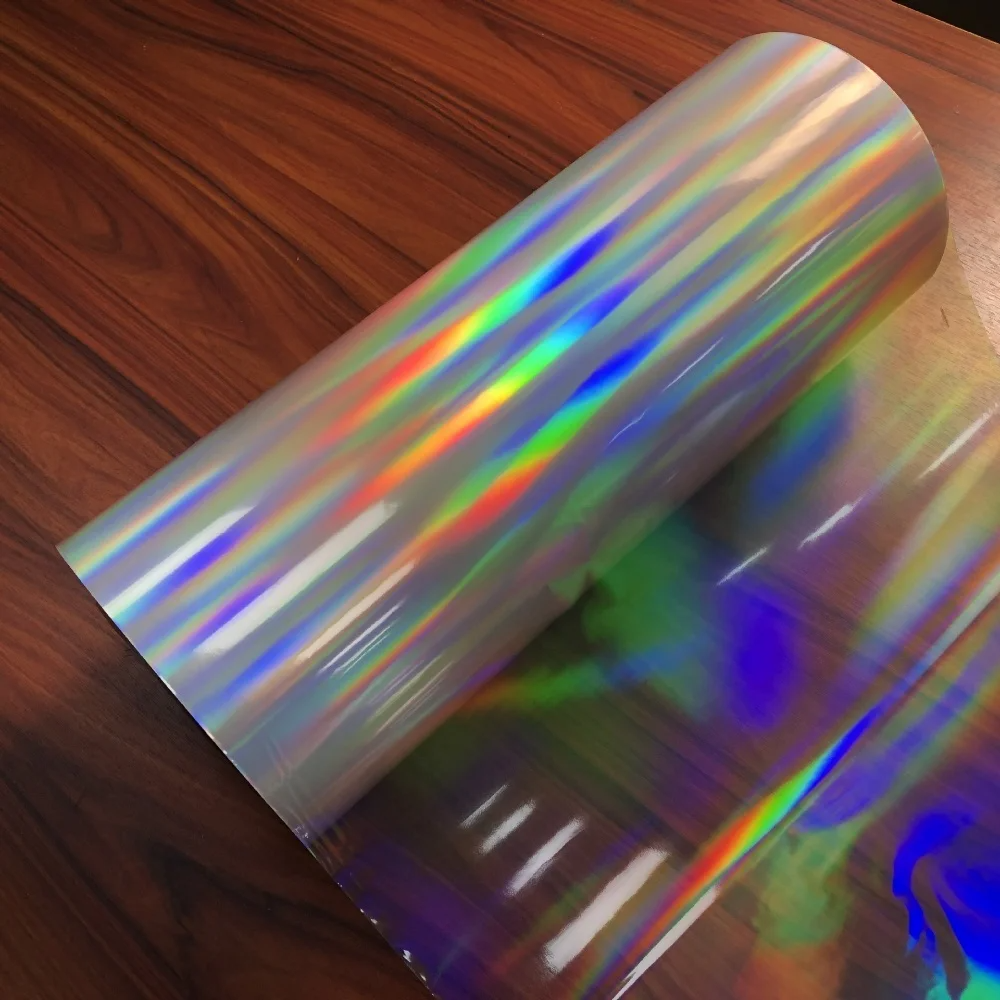
On shelf, the two technologies read differently to shoppers, even when the artwork is identical. Pressure-sensitive labels sit proud of the container surface with a visible edge, which can look functional but rarely looks seamless. In-mould labels sit flush with the container, producing a continuous, integrated appearance that signals quality. Transparent IML film achieve a no-label look that pressure-sensitive films cannot replicate convincingly, and metallized IML options deliver reflective effects without the lifting risk that plagues metallic stickers. For premium products where packaging is part of the value proposition, the aesthetic gap alone often settles the question in favour of IML.
Production Efficiency and Long-Term Cost
At first glance, pressure-sensitive labelling looks cheaper because the equipment and materials are familiar and setup is quick. Over full production cycles, however, the picture shifts. IML eliminates a separate labelling step, reducing labour and line complexity, and it removes the liner waste that pressure-sensitive processes generate. Reject rates fall because there is no misalignment, wrinkling, or adhesion failure to manage. For high-volume runs, these savings compound significantly. HARDVOGUE encourages customers to model total cost including waste, downtime, and complaint handling rather than comparing sticker prices, since the cheapest label per thousand is often the most expensive per successful container.

Recycling and Sustainability Implications
Sustainability is another area where the structural difference matters. Pressure-sensitive labels add a second material to the container, complicating recycling because the label and adhesive must be separated or tolerated by the recycling stream. In-mould labels, particularly when produced from compatible polymers, allow the container and label to recycle as a single unit. There is also less material waste overall, since IML avoids liner backing entirely. For brands making environmental claims, this mono-material story is simpler to explain and easier to substantiate, and HARDVOGUE's film options support that narrative without requiring compromises in performance or appearance.
Where Pressure-Sensitive Labels Still Make Sense
Honest comparison requires acknowledging where the older technology retains an edge. For very short runs, prototypes, or containers with complex three-dimensional surfaces where moulding IML would require expensive tooling changes, pressure-sensitive labels remain practical and cost-effective. Small businesses testing a market may find the lower entry cost appealing. Products with minimal durability demands and short shelf lives can also use pressure-sensitive labels without suffering consequences. HARDVOGUE's recommendation of IML is not a dismissal of alternatives but a recognition that the calculus changes as volumes rise, durability requirements tighten, and brands seek packaging that reinforces rather than undermines their positioning.
The Case for Specifying IML From the Start
For containers expected to travel, chill, sell, and be used repeatedly, in-mould labelling is the more robust foundation, and choosing it early avoids the redesign costs that come from switching later. HARDVOGUE's IML films bring durability, premium appearance, and recyclability together in a single material family, backed by technical support through specification and production. Brands that adopt IML from the outset report cleaner lines, fewer complaints, and packaging that keeps looking the way it did on approval day. When the goal is a label that behaves like part of the container, the recommendation is straightforward, and the results speak for themselves.
 Italiano
 English
 Arabic
 French
 Spanish
 Portuguese
 Deutsch
 Turkish
 Dutch
 Russian
 Romaian
 Portuguese (Brazil)
 Greek