


Mary Jane Strap vs. X-Strap Standard Dance Shoes: Which Suphini Style Fits You?
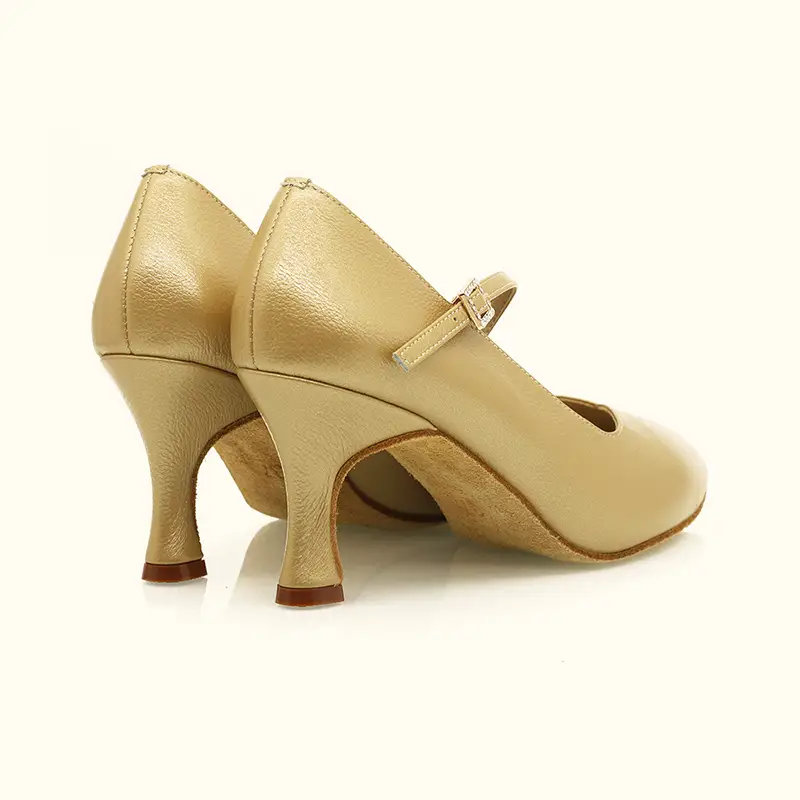
Strap design is one of those details dancers notice only when it goes wrong, yet it shapes how secure a shoe feels through every step. Suphini offers its standard dance shoes ballroom models in two popular configurations: the classic Mary Jane with a single strap across the instep, and the X-strap with two crossing bands. Both hold the foot in place, but they suit different feet, different dancing habits, and different aesthetic preferences. This comparison will help you decide which style belongs in your dance bag.
Understanding the Mary Jane Silhouette
The Mary Jane is the elder statesman of ballroom footwear, recognizable by its single strap running horizontally across the instep and fastening at the outer side. Its appeal lies in simplicity; the strap anchors the foot without adding visual clutter, and the unbroken line across the top of the shoe flatters most feet. Suphini's Mary Jane models keep the strap relatively wide and place it precisely to hold the instep down during rises. Because there is only one point of closure, the shoe is quick to put on and adjust, which matters during hurried costume changes at competitions. It is a design that has survived decades because it works.
How the X-Strap Changes the Picture
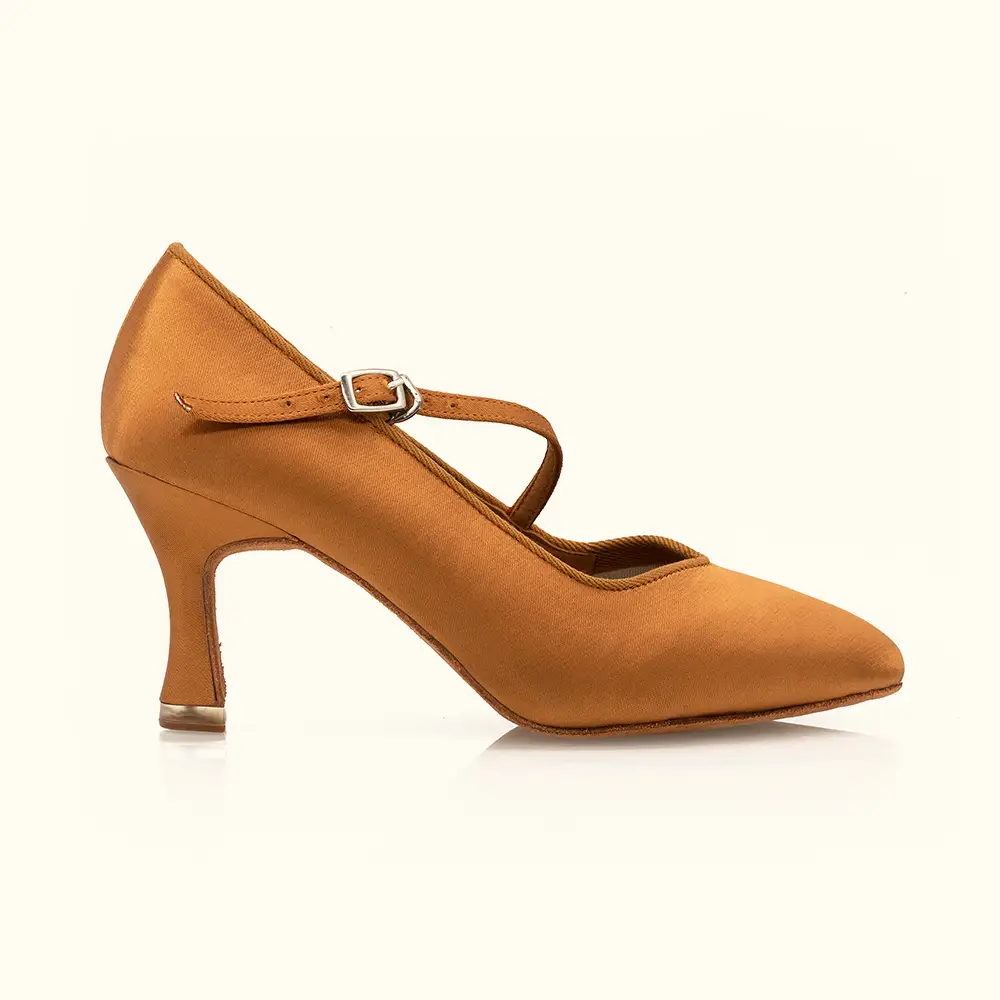
The X-strap takes the same basic shoe and adds a second band, with the two straps crossing over the instep before fastening. This configuration distributes pressure across a wider area of the foot and creates additional points of contact that resist lateral movement. Dancers who have struggled with heel slippage often find the X-strap holds them more firmly, particularly during pivots and quick direction changes. Visually, the crossing bands create a more decorative effect that many dancers love for competition and showcase events. The trade-off is slightly more time spent fastening and adjusting, plus more seams to watch during break-in.
Fit Differences You Will Notice Immediately
The most practical difference between the two styles emerges the moment you put them on. Mary Jane shoes tend to suit dancers with average to high insteps, since the single strap can be tensioned to sit comfortably without cutting in. Dancers with very narrow feet sometimes find a single strap insufficient to stop the foot from sliding forward. The X-strap, with its broader coverage, often serves narrow feet and low insteps better, holding the midfoot more comprehensively. Suphini advises trying both configurations with the tights you normally wear, since the difference in security becomes obvious within a few steps rather than requiring weeks of dancing to assess.
Security and Stability During Different Figures
Consider the figures you dance most often when weighing the two options. Smooth dances with long backward steps and heel turns reward the extra hold of an X-strap, especially for dancers whose heels tend to lift. Waltz and foxtrot contain plenty of rise and fall, and the additional strap helps keep the foot planted through those transitions. Mary Jane shoes, by contrast, feel lighter and less restrictive, which some dancers prefer for tango's grounded, staccato actions where too much upper structure can feel confining. Neither style is universally superior; the question is which figures dominate your practice and competition repertoire.
Aesthetic Considerations for Competitions and Socials
Presentation counts in ballroom, and strap design contributes to the overall picture. The Mary Jane's single band offers a clean, traditional look that pairs well with virtually any gown and never draws attention away from the dancer's line. The X-strap adds visual interest and can complement costumes with intricate detailing, though dancers with very ornate dresses sometimes prefer the restraint of a single strap. Judges see hundreds of shoes across a competition day, and neither style will hurt an otherwise polished presentation. Choose the one that makes you feel confident when you catch your reflection before walking onto the floor.
Comfort, Break-In, and Long-Term Wear
Both styles share Suphini's quality construction, but their break-in behavior differs slightly. Mary Jane straps adjust through a single buckle, making it easy to loosen the fit if the instep swells during a long event. X-straps have more material crossing the foot, so they can feel firmer initially and may require a little more patience during the first few wears. On the other hand, the distributed pressure of the X design often proves kinder to the foot over many hours. Check the stitching at the strap junctions periodically on either style, since these are the points where wear accumulates first.
Making the Final Decision
If you are still undecided, start with the style that addresses your biggest fit challenge. Dancers battling heel slip should lean toward the X-strap, while those with sensitive insteps or a preference for minimal restriction will likely prefer the Mary Jane. Trying both in the same size on the same day remains the surest method, and Suphini's consistent sizing makes comparison straightforward. Many dancers eventually own one of each, reserving the X-strap for demanding competition programs and the Mary Jane for social evenings. Whichever you choose, the right strap is the one you stop noticing once the music begins.

 Arabic
 French
 Spanish
 Portuguese
 Deutsch
 Turkish
 Dutch
 Italiano
 Russian
 Romaian
 Portuguese (Brazil)
 Greek