


Custom Mattress Manufacturers Guide: How JLH Home Builds Your Private-Label Brand
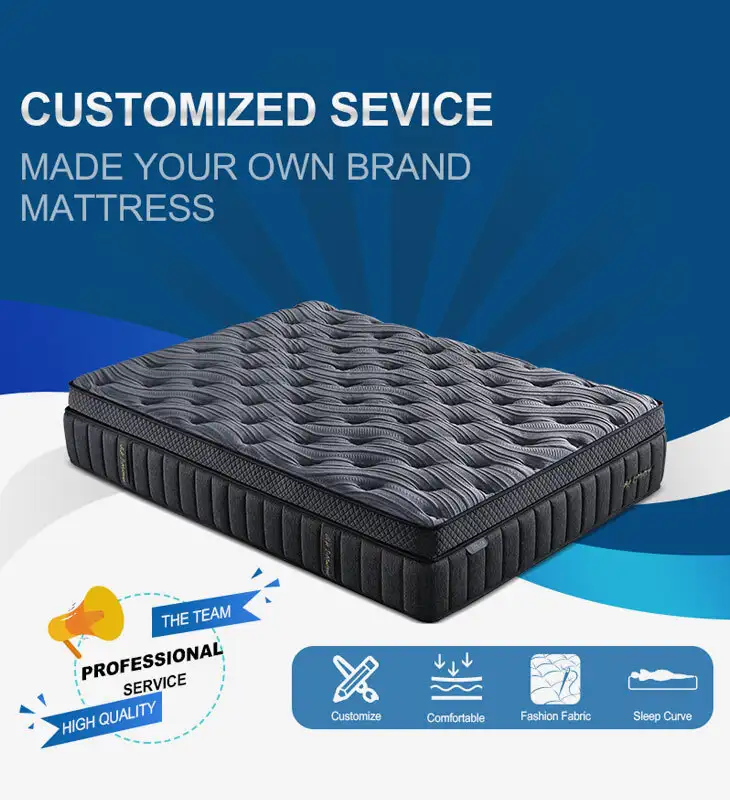
Private label means the product carries your name, not the factory's. The custom mattress manufacturers stays invisible while you own the customer relationship, the branding, and the margin. JLH Home operates as this kind of behind-the-scenes partner, producing mattresses to client specifications and applying client branding throughout. The appeal is obvious for retailers tired of competing on identical national brands, since private label lets you offer something shoppers cannot find elsewhere or compare on price directly.
Defining Your Brand Identity Before Production Begins
Factories build products, but brands build meaning, and the most successful private-label projects start with clarity about what the brand stands for. Before approaching JLH Home, decide who your customer is, what price tier you occupy, and what promise your mattress makes, whether that is cooling comfort, orthopedic support, or affordable luxury. These decisions shape material choices, firmness levels, and even cover aesthetics. Brands that arrive with a defined identity get faster, more accurate results than those asking the factory to invent a product without direction.
Translating Brand Vision Into Mattress Specifications
Once the identity is set, the work turns technical. JLH Home helps clients convert abstract goals into concrete specifications covering foam densities, coil counts, layer thicknesses, cover fabrics, and firmness ratings. A brand promising durability, for example, might specify higher-density support foam, while a cooling-focused line might use gel-infused layers and breathable knit covers. This translation stage is where experienced manufacturers earn their keep, flagging combinations that will not perform well and suggesting alternatives that protect both quality and budget.
Sampling and Approval as the Critical Milestone
No private-label program should proceed to bulk production without approved physical samples. JLH Home produces prototype mattresses so clients can test feel, examine stitching, and evaluate packaging before committing. Take sampling seriously: sleep on the sample, show it to staff, and gather feedback from people matching your target customer. Request revisions if something feels off, because adjustments at the sample stage cost little compared to correcting thousands of finished units. A signed-off sample becomes the reference standard against which production is measured.
Branding Touches That Make the Product Yours
The difference between a generic mattress and a private-label one often lives in the details. JLH Home applies client branding through woven labels, embroidered logos on borders, custom quilting patterns, branded packaging, and insert cards. Law labels and regulatory tags can carry the client's information as required by market regulations. These touches transform a factory product into a retail asset, and they also build customer confidence, since shoppers recognize consistent branding as a sign of a serious operation rather than a nameless import.

Quality Documentation That Supports Your Claims
Private-label brands make promises in their marketing, and those promises need backing. JLH Home supplies certification documentation for foam safety, fabric standards, and flammability compliance, which brands can reference in product listings and provide to retail partners on request. Warranty terms should also be settled during planning, since your brand, not the factory, will face the customer if something fails. Clarifying who handles defects and how claims are processed prevents awkward disputes later and strengthens the credibility of your guarantee.
Scaling From First Order to Long-Term Program
A private-label line rarely launches at full volume. JLH Home supports clients through modest initial production runs, allowing brands to test the market without excessive inventory risk. As sell-through data accumulates, order volumes can grow and the product line can expand with additional models, sizes, or firmness options. Keeping the same manufacturing partner through this growth preserves consistency and simplifies communication. The brands that succeed treat private label as an evolving program rather than a one-time purchase, refining their lineup with each season based on real customer response.
 Spanish
 English
 Arabic
 French
 Portuguese
 Deutsch
 Turkish
 Dutch
 Italiano
 Russian
 Romaian
 Portuguese (Brazil)
 Greek