


How Long Does It Take to Make Customized Dance Shoes? Suphini's Production Timeline
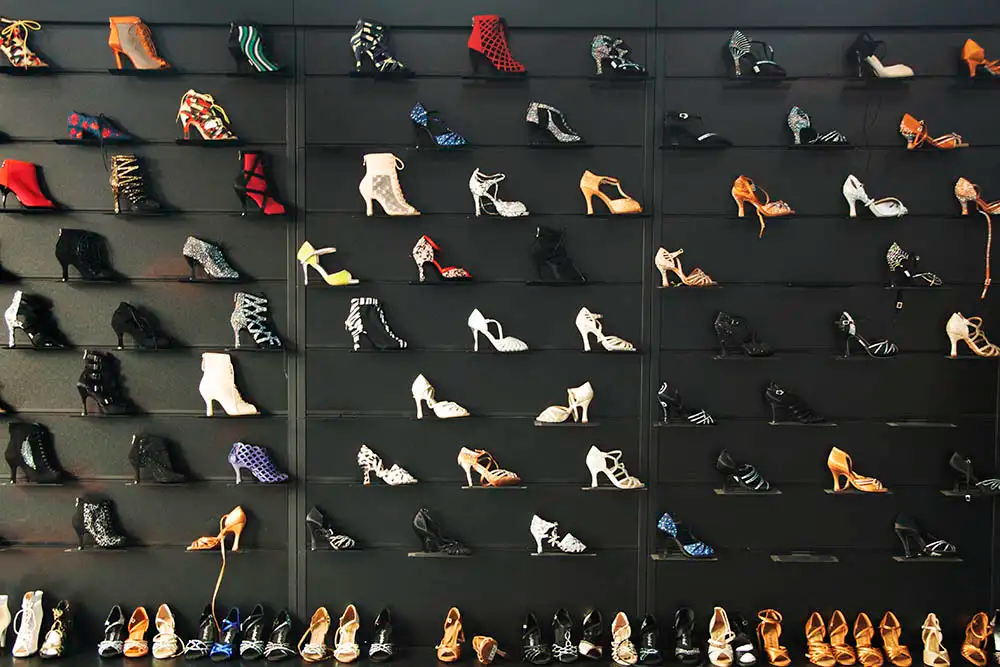
The question arrives in almost every first inquiry: how long will my order take? It sounds simple, but anyone who has ordered custom footwear knows the answer is never a single number. A custom dance shoe passes through design conversations, sampling rounds, material procurement, assembly, inspection, and shipping, and each stage carries its own rhythm. Misunderstanding this timeline is one of the most common reasons brands miss launch dates or studios receive team shoes after the recital has already happened. Suphini's production timeline is structured and predictable, but it rewards clients who plan around its stages rather than hoping for miracles. What follows is a realistic walkthrough of how long customization actually takes, and where buyers can save time without cutting corners.
The Honest Answer: It Depends on Several Factors
No responsible manufacturer quotes a fixed duration before understanding the project. Suphini's timelines vary based on order quantity, the complexity of the design, how many sampling rounds are required, material availability, and the client's responsiveness during approvals. A straightforward order using established specifications and standard materials moves considerably faster than one requiring new patterns, exotic fabrics, or exclusive last development. Seasonal demand also plays a role—periods before major competitions or the start of dance seasons see factories busier than quieter months. The practical takeaway is that clients should share their target date at the very first conversation, allowing the team to advise honestly whether the schedule is feasible or whether adjustments are needed. That early transparency prevents far more disappointment than optimistic promises ever could.
Stage One: Brief and Specification (Roughly One to Two Weeks)
The clock starts when the design brief takes shape. Suphini's team works with the client to translate ideas into specifications—materials, heel configurations, colors, sizing, branding, and packaging. Straightforward projects with clear references move through this stage in days, while exploratory projects involving several style variations take longer. The single biggest variable here is client responsiveness; every question answered promptly keeps momentum, while slow replies stretch the calendar. By the end of this stage, both parties should share a written specification and a realistic production schedule. Clients who arrive organized, with reference photos and clear priorities, routinely compress this stage considerably. It is also the ideal moment to discuss deadlines, because everything downstream depends on the foundation laid here.
Stage Two: Sampling and Revisions (Typically Two to Four Weeks)
Sampling is where customization earns its value and where timelines most often surprise first-time buyers. Producing a physical prototype requires pattern development, material cutting, and assembly, followed by shipping to the client for evaluation. If revisions are needed—and they usually are—another round begins. Suphini typically sees one to three sampling rounds depending on complexity, and each round carries its own production and transit time. Clients can accelerate the process by testing samples thoroughly and returning consolidated feedback rather than piecemeal comments spread over weeks. It is also worth remembering that a rushed sample saves days but may cost far more later. This stage is the best place to spend time, because an approved sample prevents expensive surprises during bulk production.
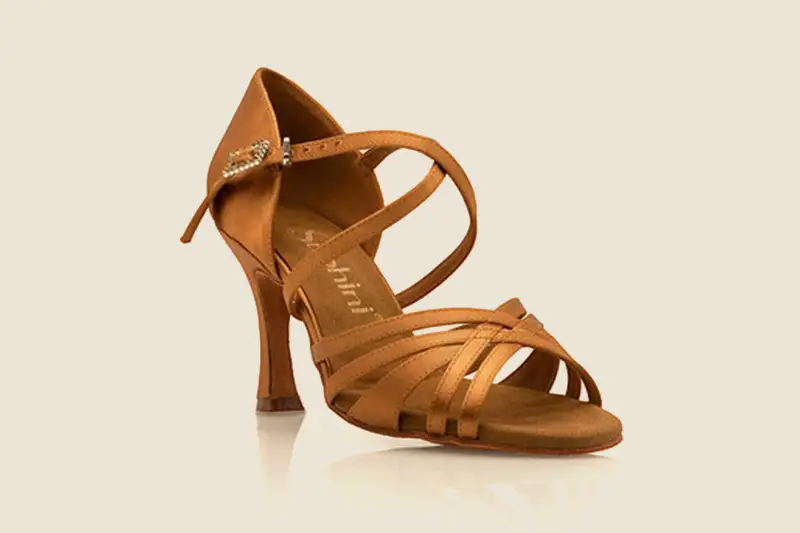
Stage Three: Bulk Production (Usually Three to Five Weeks)
Once the sample is formally approved, bulk production begins. Suphini schedules the run based on order volume and current factory load, procures materials against the approved specifications, and moves through cutting, stitching, assembly, and finishing. Smaller orders of a single style typically complete faster than large multi-style orders, and standard materials are quicker to secure than specialty fabrics. During this window, clients receive progress updates at agreed milestones. The biggest threats to this stage are late specification changes—altering a color or heel after production starts can force a restart—and material shortages on unusual requests. Clients who lock specifications firmly before the line starts generally find bulk production proceeds smoothly. For brands planning seasonal launches, building a buffer of several weeks beyond the quoted production window is simply prudent.
Stage Four: Quality Inspection, Packing, and Shipping
The final phase converts finished shoes into a deliverable order. Final inspection verifies stitching, symmetry, sizing, and branding before packing, and customized dance shoes packaging adds its own preparation time if boxes, dust bags, or labels are involved. Shipping duration then depends entirely on destination and method—express courier versus sea freight can differ by weeks, and customs clearance adds another variable outside anyone's control. Suphini provides confirmation photographs before dispatch so clients can catch issues early, and shares tracking details once the shipment departs. It helps to think of this phase as logistics rather than manufacturing, because no amount of factory efficiency can speed up a container crossing an ocean.
Planning Your Order Around Realistic Expectations
Adding the stages together, a typical customized dance shoe order takes somewhere between two and four months from first conversation to delivered goods, with complexity and client responsiveness as the biggest swing factors. Suphini's advice to every client is consistent: start earlier than feels necessary, approve samples decisively, and keep communication tight throughout. Brands that plan around this timeline launch on schedule; those that treat manufacturing as an overnight service end up compromising on quality or missing their moment. Custom dance shoes reward foresight, and a realistic calendar is the cheapest insurance a buyer can have.
 French
 English
 Arabic
 Spanish
 Portuguese
 Deutsch
 Turkish
 Dutch
 Italiano
 Russian
 Romaian
 Portuguese (Brazil)
 Greek