


KingKonree Wudu Wash Station: Essential Features for Mosques and Islamic Centers
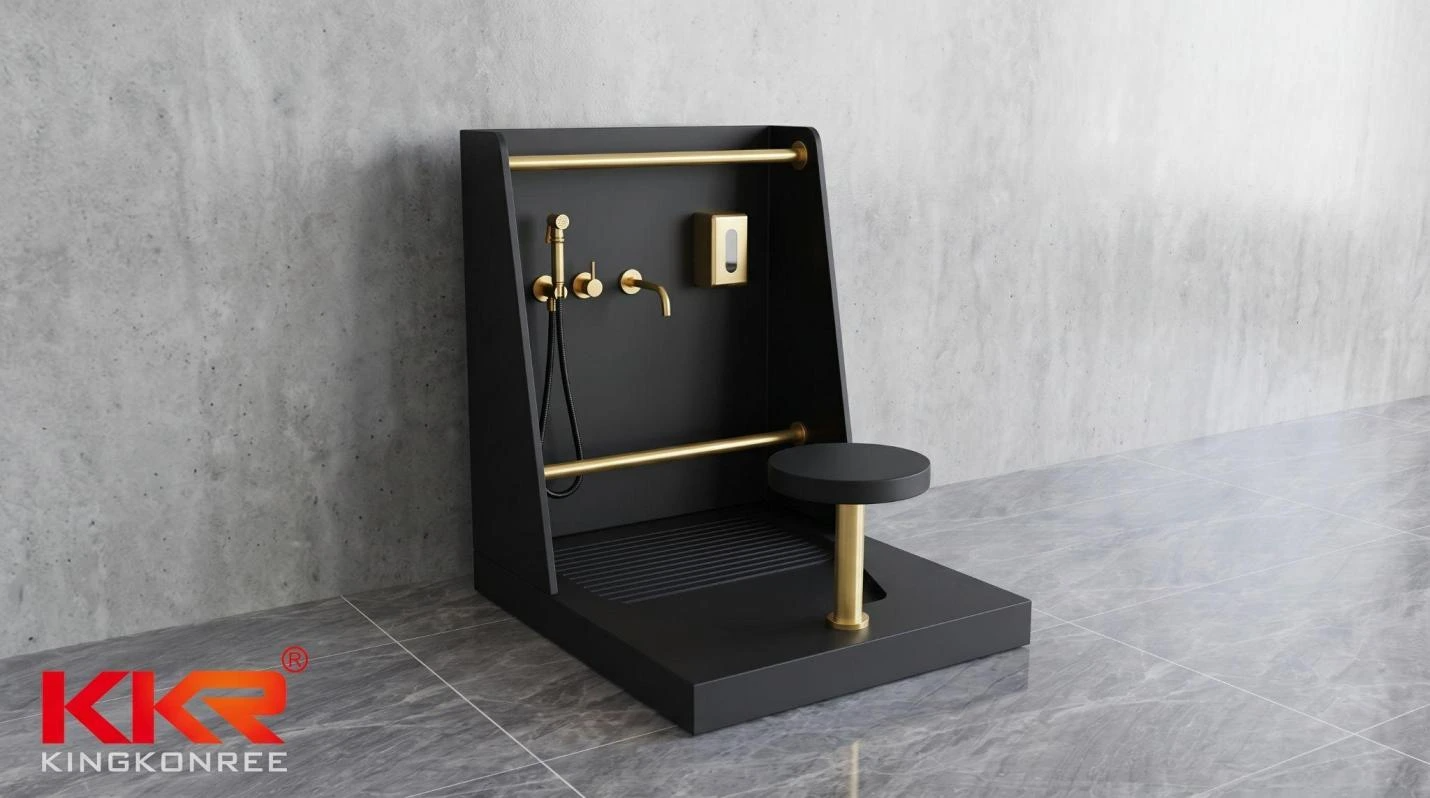
Mosques and Islamic centres occupy a unique position among public buildings. They must serve worshippers of all ages several times a day, often in concentrated bursts around prayer times, and they must do so in a way that honours the ritual being performed. A Wudu wash station sits at the heart of this responsibility, since ablution is the gateway to prayer and its facilities shape the experience of every visitor. KingKonree has spent considerable effort understanding what mosque communities actually need from these stations, and the features that emerge from that understanding are the ones worth insisting on when a building committee sits down to plan its ablution area.
Why Mosque Requirements Differ From Other Buildings
A mosque's ablution needs are unlike those of an office or an airport prayer room. Worshippers arrive in large numbers within a short window, remove their shoes, perform wudu, and move into the prayer hall, all within minutes. The station must handle this surge without queues backing up into the entrance or water spreading across the circulation route. It must also withstand decades of use, since mosques are community assets built to serve generations. Features that seem like luxuries elsewhere, such as seating and generous spacing, become practical necessities when hundreds of people of varying ages and abilities pass through the same facility every day.
Seating and Support for Worshippers of Every Age
Any mosque community includes children, elderly members, and people recovering from injury or living with limited mobility. A station that assumes users can balance on one leg excludes a meaningful portion of the congregation from performing wudu comfortably. KingKonree's designs incorporate built-in seating positioned at a height that supports the washing posture, allowing users to sit while washing their feet and to rise without assistance. For facilities that anticipate elderly or disabled worshippers, additional support such as discreet grab rails can be specified. These features are not extras; they are what allows a mosque to genuinely welcome its whole community.
Water Control and Drainage Built for Peak Demand
Prayer times create predictable peaks, and the station's plumbing must be sized for them. Multiple taps flowing simultaneously, continuous drainage, and reliable temperature control all matter when a hundred worshippers arrive within a quarter of an hour. KingKonree equips its stations with contained washing bays, directed drainage channels, and splash guards that keep water inside the fixture even during heavy use. Floor slopes and drainage connections around the installation should be planned together with the station itself, so that the ablution area remains dry and safe when the queue is moving quickly. Under-sized drainage is one of the most common and most frustrating failings in mosque ablution design.
Solid Surface Construction and Mosque Maintenance Realities
Mosque maintenance is usually undertaken by volunteers or a small staff, often with limited budgets. Materials must therefore be forgiving. KingKonree's solid surface construction offers a non-porous, seamless finish that resists moisture, mould, and staining, and that can be cleaned with straightforward products and routine effort. When damage does occur, the surface can be refinished rather than replaced, stretching the station's service life considerably. In a building that may see thousands of users each week, this durability translates into real savings and fewer interruptions to the facility's availability.
Configurations That Fit Different Mosque Layouts
No two mosque buildings are alike. A small neighbourhood masjid may have only a narrow side room available, while a large community centre may plan an entire ablution hall. KingKonree addresses this variety with single and multi-user configurations, linear layouts that run along a wall, and options for partitioning between stations to give users a measure of privacy. Colour and sizing can be adapted to match the interior. The goal is to let the building's architecture lead, with the ablution facilities fitted thoughtfully into the available space rather than forced into a standard template.

Planning Advice for Building Committees
Building committees often approach ablution facilities late in the design process, after the prayer hall and entrance have been settled. KingKonree advises bringing the wudu station into the conversation early, because its plumbing, drainage, and footprint influence decisions elsewhere. Estimating the congregation size, calculating the number of stations needed for peak prayer attendance, and confirming water supply and drainage capacity are all tasks best done before construction begins. Early consultation also allows time to choose configurations that suit the community's specific demographics, rather than accepting whatever can be retrofitted at the end.
Conclusion
The features that make a wudu wash station suitable for a mosque are not decorative flourishes but responses to how these buildings are actually used. Seating that welcomes every age group, drainage that survives peak demand, materials that tolerate constant moisture and modest maintenance budgets, and configurations that respect the building's layout all contribute to a facility that serves the community for years. KingKonree's approach to mosque ablution rests on these fundamentals. A building committee that prioritises them will give its worshippers a space that supports prayer quietly and reliably, day after day.
 Deutsch
 English
 Arabic
 French
 Spanish
 Portuguese
 Turkish
 Dutch
 Italiano
 Russian
 Romaian
 Portuguese (Brazil)
 Greek